
Yala National Park, the second-largest in Sri Lanka, covers 979 square kilometers in the southeast. It's famed for its biodiversity and leopards, with dense forests, grasslands, and coastal plains supporting diverse wildlife like elephants, sloth bears, and crocodiles. Birdwatchers can spot over 200 species. Guided safaris offer chances to see leopards, elephants, and more, with Block 1 being the most popular zone. The park also boasts ancient ruins, including the historic Sithulpawwa Rock Temple.

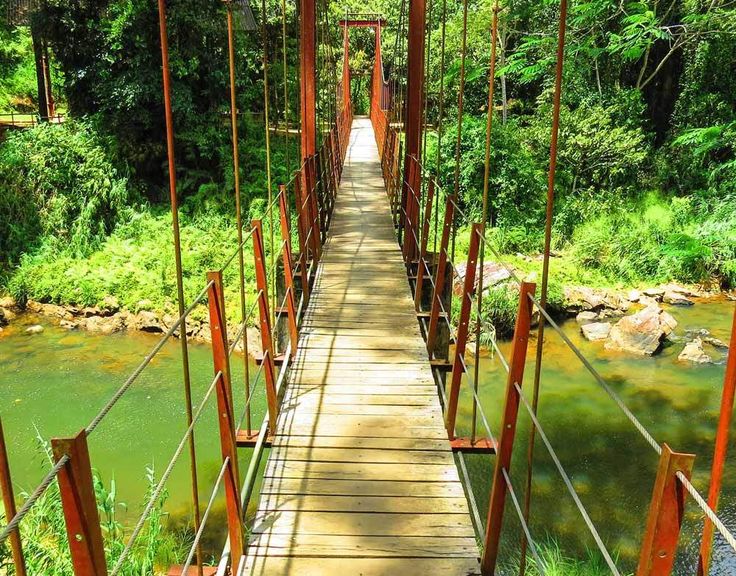
Sinharaja Forest Reserve in Sri Lanka is a UNESCO World Heritage Site known for its pristine tropical rainforest, rich biodiversity, and cultural significance. Spanning 88.64 square kilometers, it's a haven for wildlife, including the elusive Sri Lankan leopard, and boasts an impressive array of flora and fauna, with many endemic species. Its dense vegetation, waterfalls, and streams provide habitat for diverse wildlife. The forest also holds cultural treasures like ancient trails and archaeological sites, reflecting its deep history. Strictly protected, visitors are encouraged to follow rules to preserve this ecologically important site.
Udawalawe National Park in southern Sri Lanka is renowned for its abundant wildlife, particularly its large population of Asian elephants. Spanning over 30,000 hectares, the park features diverse ecosystems centered around the Udawalawe Reservoir. Visitors can enjoy jeep safaris, birdwatching tours, and nature walks led by experienced guides, offering opportunities to observe elephants, leopards, sloth bears, and various bird species in their natural habitats. The park's picturesque landscapes, including rolling grasslands and tranquil lakes, provide a stunning backdrop for wildlife viewing and photography.


Minneriya, situated in Sri Lanka's North Central Province, is renowned for its ancient reservoir, rich wildlife, and cultural heritage, notably showcased in Minneriya National Park. The focal point, Minneriya Tank, constructed in the 3rd century AD, sustains wildlife during dry seasons and supports surrounding agricultural lands. The park hosts diverse fauna, including elephants, deer, water buffalo, and various bird species. Guided safari tours provide insights into wildlife behavior and conservation efforts. The area also boasts ancient ruins, irrigation channels, and Buddhist temples, reflecting its cultural past. Scenic landscapes of hills, forests, and grasslands offer picturesque settings for wildlife observation and exploration.
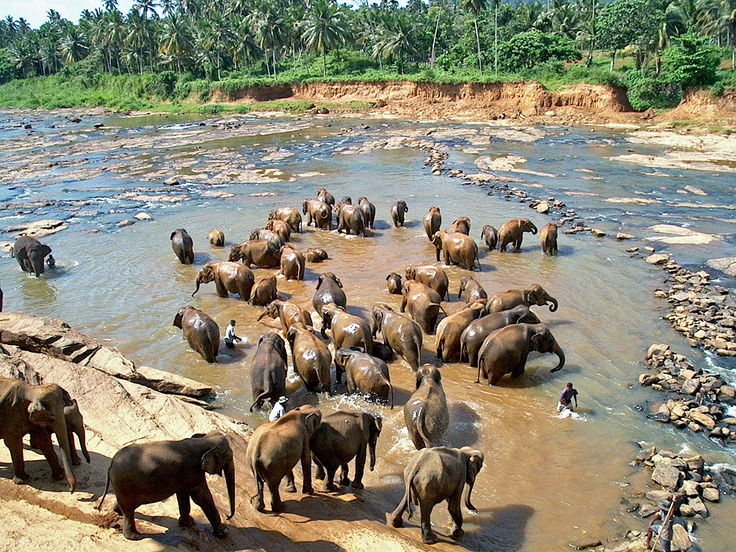
The Pinnawala Elephant Orphanage, located in Sri Lanka's countryside, is a sanctuary dedicated to caring for orphaned and injured elephants. Established in 1975, it houses a diverse herd and plays a crucial role in rescuing and rehabilitating displaced elephants. Visitors can observe daily activities like bottle-feeding and river baths, offering a heartwarming experience. The orphanage also conducts research and educational programs on elephant conservation. It's a popular tourist destination, offering guided tours and opportunities for visitors to support conservation efforts through donations and volunteering.

Wilpattu National Park, situated in Sri Lanka's Northwest coast lowland dry zone, stands as the country's largest protected area spanning over 1,317 square kilometers. Known as the "Land of Lakes," Wilpattu boasts diverse ecosystems including lakes, sand dunes, scrub jungles, and dense forests, offering scenic vistas of open grasslands and ancient ruins. The park is home to a variety of wildlife, notably Sri Lankan leopards, alongside elephants, sloth bears, deer, water buffalo, and a plethora of bird species. Guided jeep safaris allow visitors to explore different zones within the park, each offering unique wildlife viewing experiences. Additionally, Wilpattu holds cultural significance with ancient ruins and archaeological sites dating back to prehistoric times, showcasing the region's rich history and heritage.
Kumana National Park, located on Sri Lanka's southeastern coast, is a pristine wildlife sanctuary spanning 35,664 hectares. Famed for its diverse ecosystems and abundant birdlife, it's a paradise for birdwatchers, hosting over 255 species including resident and migratory birds. The park's centerpiece, Kumana Villu, a large mangrove swamp, attracts large flocks of water birds during the dry season, offering excellent birdwatching opportunities. Besides birds, the park is home to elephants, leopards, sloth bears, deer, and crocodiles, thriving in habitats like forests, grasslands, and lagoons. Guided safari tours, boat rides, and nature walks provide insights into the park's ecology and wildlife behavior.